Miranda Kaufmann, Heiresses
Wills have long been a favorite source for historians, genealogists, and anyone curious about the past. We use these rich documents to understand family relationships, property, and material culture. But what happened after probate? How did inheritances shape the lives of heirs, or more appropriately for Women’s History Month, heiresses?
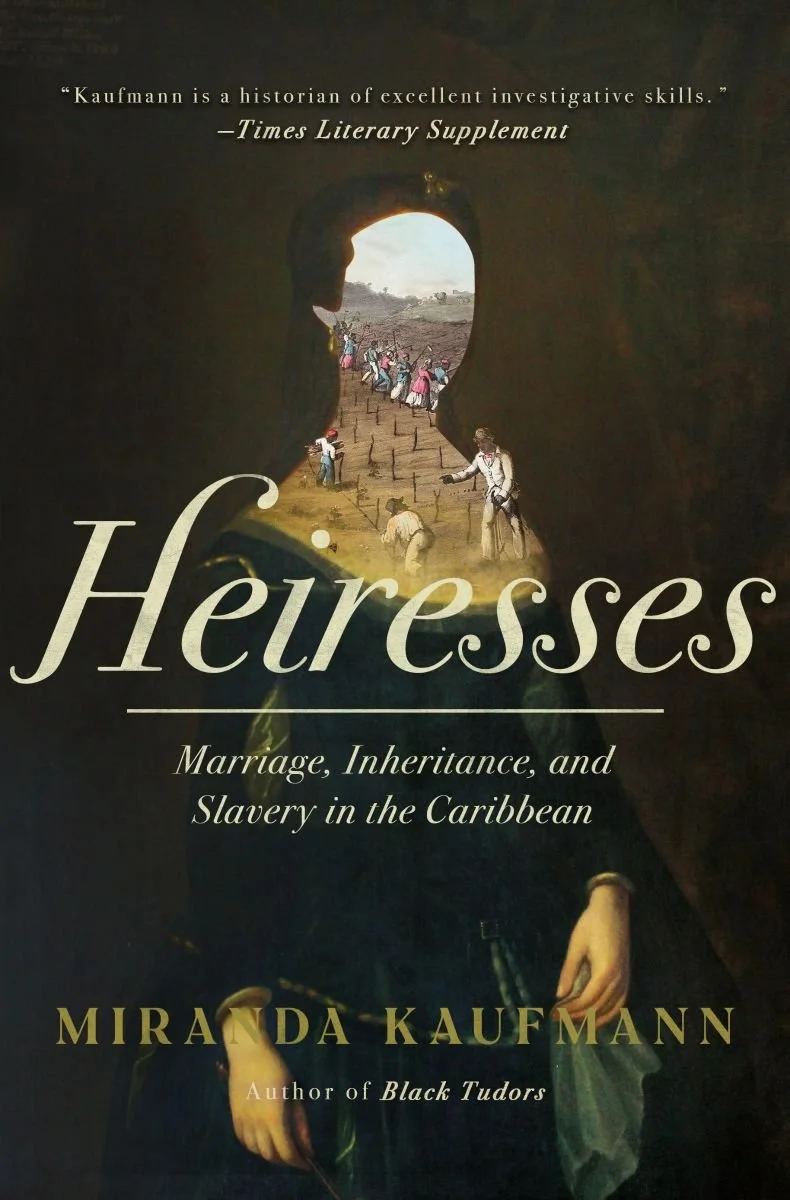
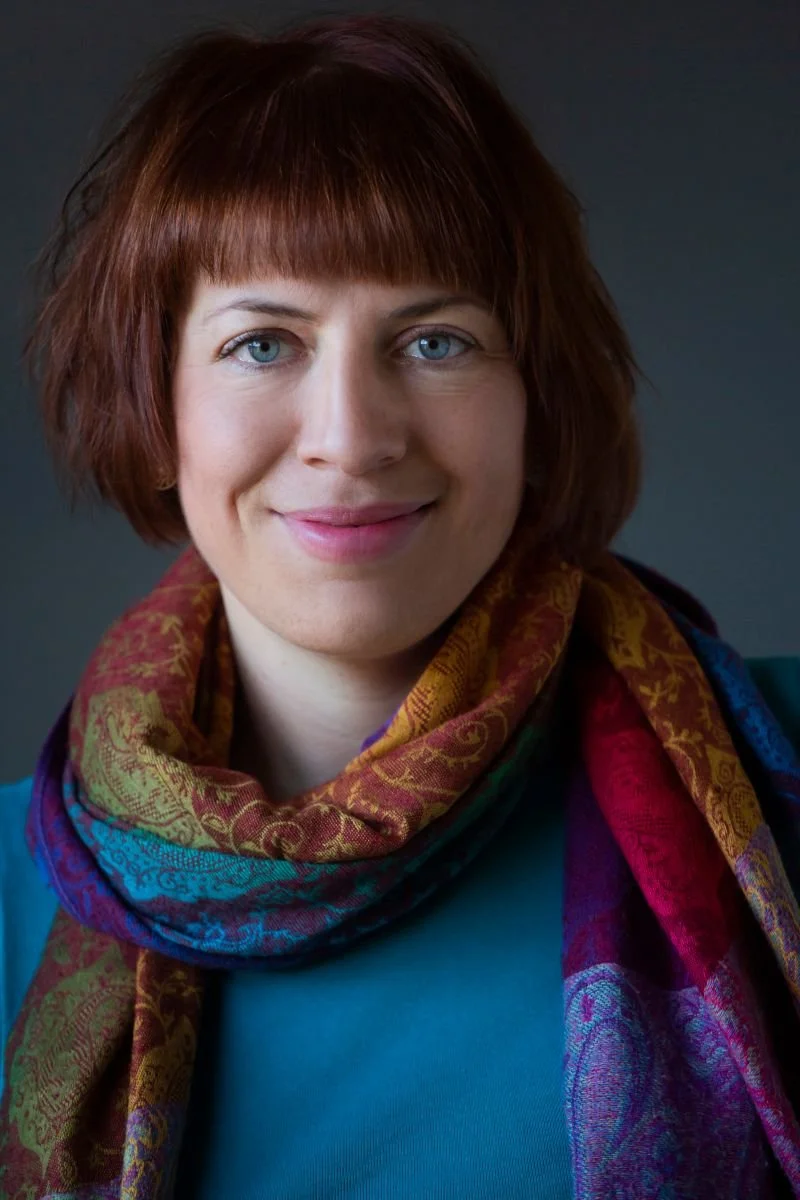
Today Miranda Kaufmann shares her book, Heiresses: Marriage, Inheritance and Caribbean Slavery. Miranda is a Senior Research Fellow at the University of London and a Fellow of the Royal Historical Society and of the Royal Society of Arts. Here is Miranda to tell us all about it.
Tell us about your book in two or three sentences. What's the big story you're uncovering?
When we think of an enslaver, we usually picture a man. However, women too became enslavers. Heiresses reveals the stories of nine women who inherited people and plantations in the British Caribbean and used that wealth to buy a place for themselves in British society.
What first sparked your interest in this topic?
Back in 2006, I was employed by English Heritage to research links between English country houses and enslavement in the run-up to the bicentenary of the British abolition of the trafficking of enslaved Africans. One link between these houses and enslavement was when an heiress married into the family.
I became intrigued by Elizabeth Vassall, a Jamaican heiress who married Sir Godfrey Webster of Battle Abbey. Her story had it all: affairs, a scandalous divorce, suicide, foreign travel, high politics, even an episode when she faked her daughter’s death. I knew I must find out more about her and other women like her.
What's one surprising or little-known detail you discovered in your research?
Although there’s been increased attention given to Jane Austen’s links to enslavement recently, no one seems to have been talking about what I think is the strongest connection: her Barbados-born aunt, Jane Leigh Perrot, whose story I tell in the book. With her struggle to wrest her inheritance from the hands of her unscrupulous stepfather, her arrest and trial for shoplifting, and her miserly, ungenerous approach to her younger relations, her life was as dramatic as any of Austen’s characters. In fact, some scholars have drawn parallels between her and women from the novels.
Why does this story matter for understanding the early American past or the present?
Early Virginia and the development of enslavement in mainland North America is often viewed in isolation, but the Caribbean context is vital for understanding the whole picture. Colonial American slave codes were heavily influenced by those first formulated in Barbados. There were strong economic links too. In fact, many enslaved people arriving in North America would have travelled via the Caribbean. As Stephanie Jones-Rogers explored in They Were Her Property, American women also held people in bondage; it is fruitful to compare their experiences with those of Britain's female enslavers.
If you could invite readers into one scene from your book, what moment would you choose and why?
The moment Betsy Newton, an enslaved woman from Barbados, knocks on the door of her enslaver in London and demands freedom for herself and her children. The story is so powerful that I decided to open Chapter 1 with it. Her story confounds so many of our assumptions about enslaved people, and opens the door to the wider story of her family on Newton plantation, and the crisis that forced her to leave four children behind and embark on such a perilous journey. It also allows us to explore questions about the legal status of Africans in England and discover how her grandmother Mary Hylas was declared a free woman by an English court of law thirty years earlier.
What's one historical source, artifact, or place you'd recommend for readers who want to explore this topic further?
This story is all about connections, so ideally you would visit both the sites of former plantations in the Caribbean, like Newton in Barbados or Holland estate in St. Thomas, Jamaica, and Britain's country houses, such as Battle Abbey or Aston Hall, while reading the letters and diaries of the female enslavers who personally link these places. Elizabeth Vassall, later Lady Holland, and her second husband left a particularly rich archive behind, now part of the Holland House papers held by the British Library.
Where can readers learn more about your work?
For more information about me, my work, future events, and links to articles, podcasts etc, please visit www.mirandakaufmann.com. You can also find me on several social media platforms with the handle @drmirandakaufmann.
Want to learn more? You can purchase Heiresses and Miranda's first book, Black Tudors: The Untold Story, through the Ben Franklin's World Bookshop, powered by bookshop.org.
🎧 Go Deeper
Explore the history of the Caribbean with these episodes of Ben Franklin's World:
🎧 Episode 268: Daniel Livesay, Mixed-Race Britons and the Atlantic Family
🎧 Episode 173: Marisa Fuentes, Colonial Port Cities and Slavery
💬 Join the Conversation
Miranda recommends visiting some amazing historic sites in her response above. What historic site has helped you understand the past? Let's grow our travel lists together!
📩 Hit Reply to share your thoughts. 💬 Join the conversation in our Listener Community.
📘 Affiliate Disclosure
Links to books in this email are affiliate links through Bookshop.org. This means that each purchase supports local, independent bookstores and helps sustain Ben Franklin’s World at no additional cost to you. Thank you for supporting history and the communities that keep it alive.